For MY26, I served the team as the Drivetrain Co-Lead, and as such, was responsible for building a high precision, stressed member epicyclic gearbox.
I served as a manager and educator in this position. My individual work is covered in the other pages of this portfolio.
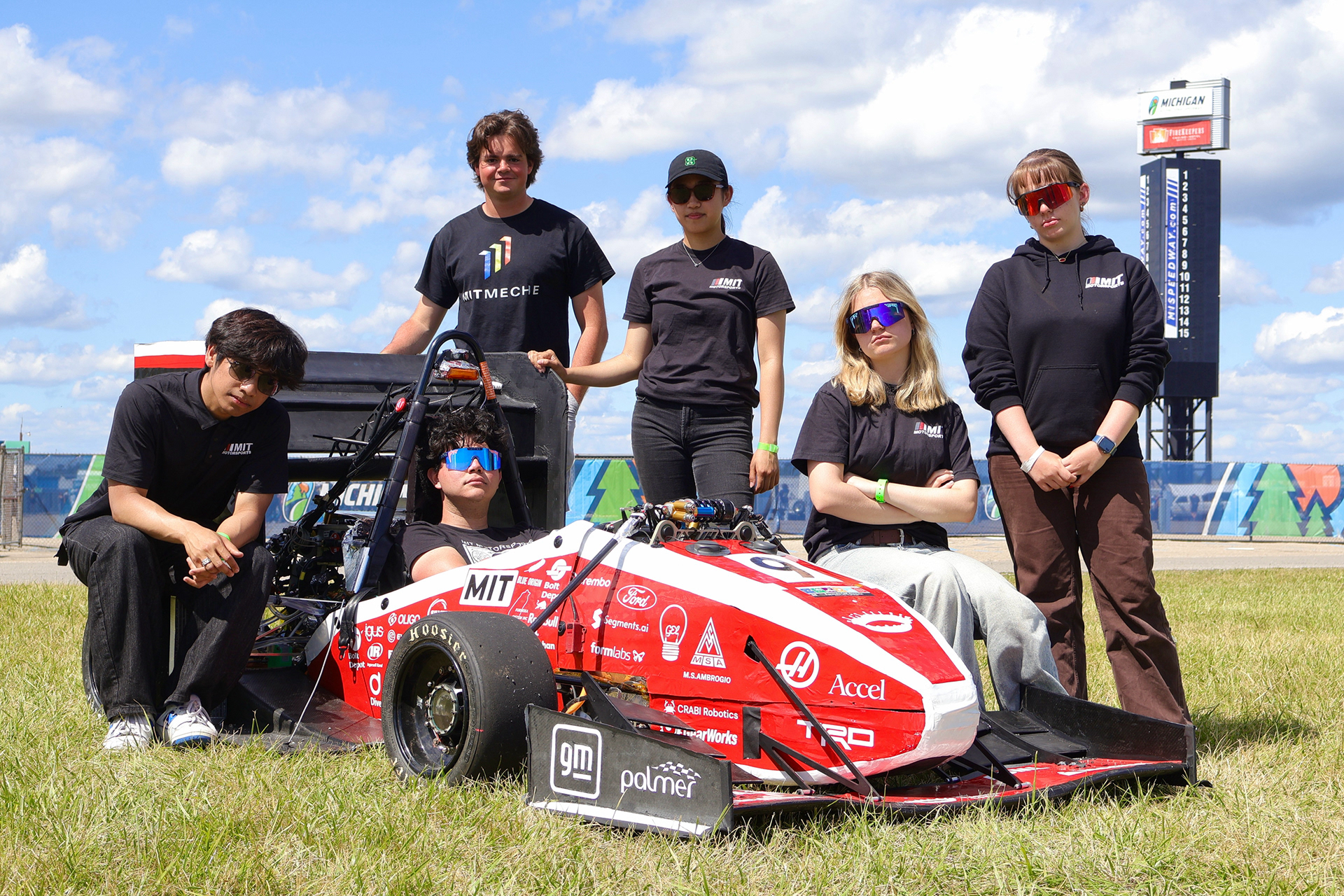
The team that made this all possible
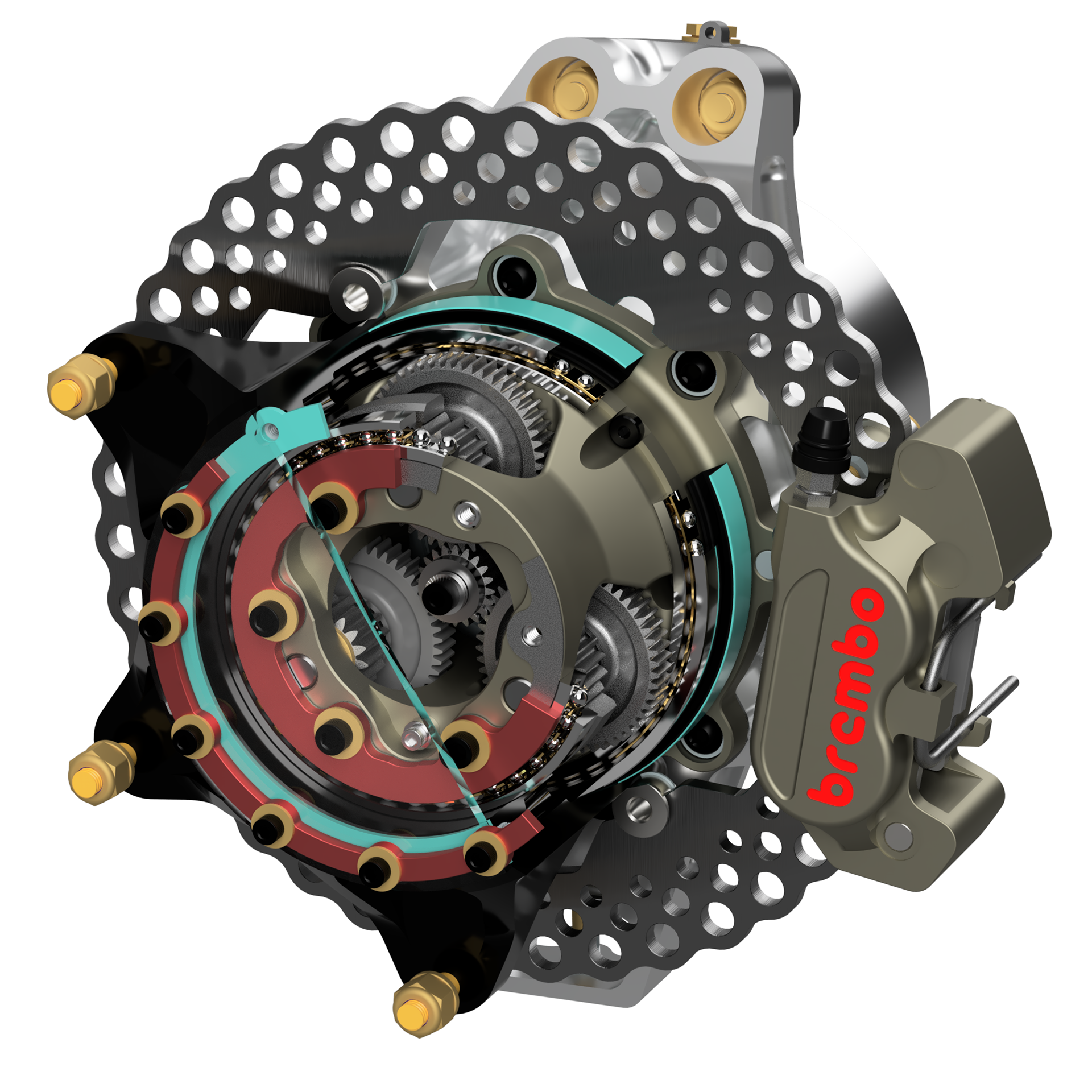
A cross section of the final MY26 wheel package. As MY25 was our first successful attempt at four wheel drive, we aimed for an improvement.
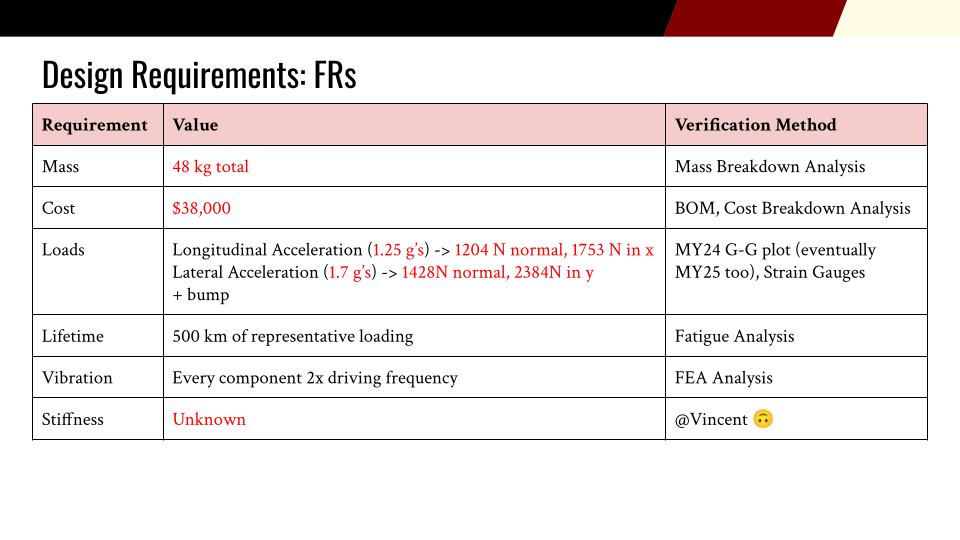
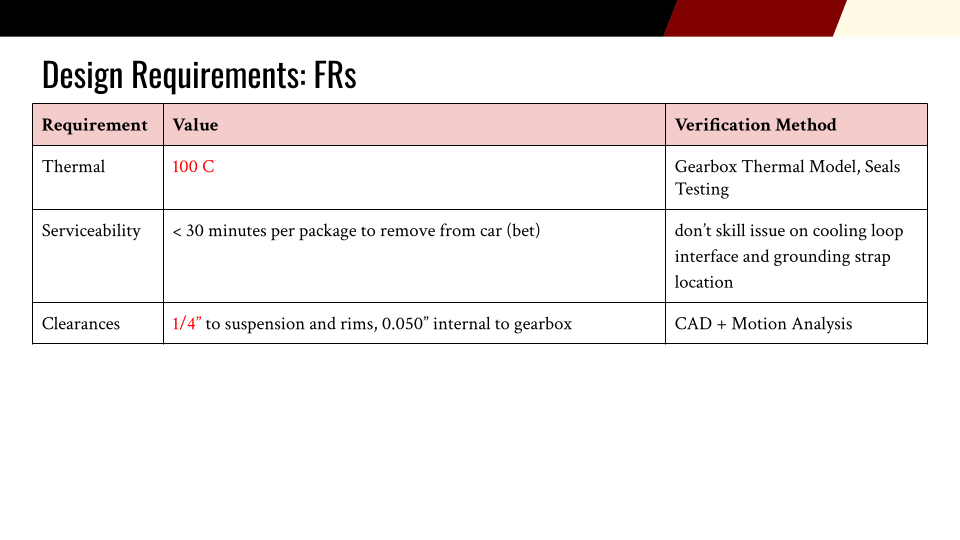
My Colead, Debbie Ang '28, and I began with defining design requirements for the new year. We aimed to save three kilograms over the previous design. We also aimed to improve performance with new brake calipers from Brembo, which required a smaller package. We also aimed to improve the assembly procedure and minimize tolerance stackups which had been a problem with the MY25 package.
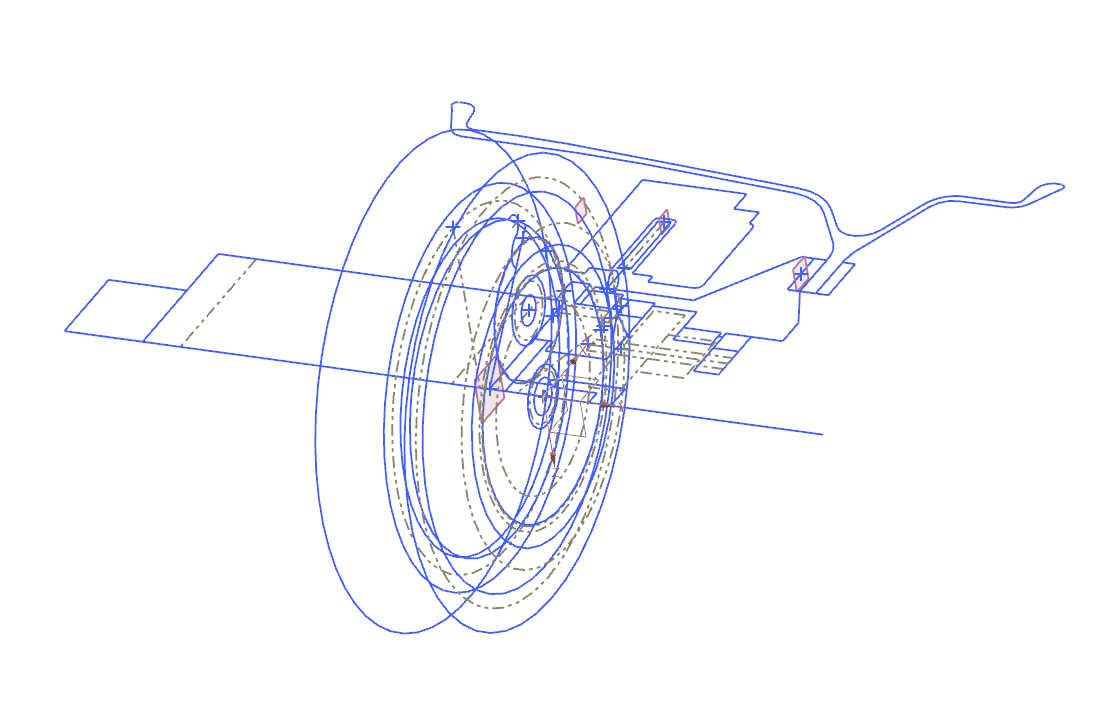
As the technical lead, I was in charge of the overall wheel package layout. We follow a top down to bottom up design philosophy, where we begin with high level layout sketches defining interfaces. We design parts together at the interface, and then break them into their own part files that then get assembled together.
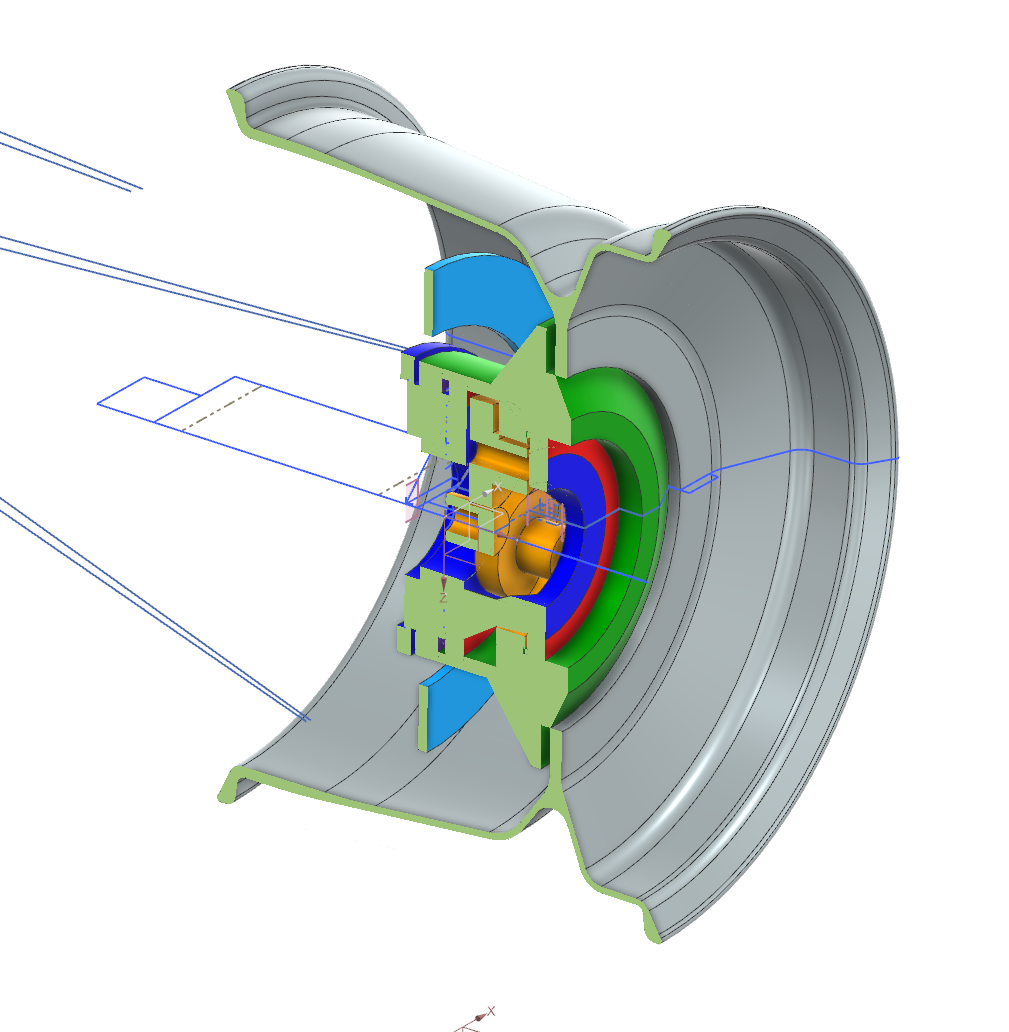
From there, I created spacefill to define the maximum space each of the REs could take up. The brake caliper ended up defining where most things could live.
We aimed to minimize the number of possible parts to minimize the tolerance stackup. While a two piece gear carrier or hub would make assembly much easier, we understood that that increased the tolerance stackup for our bearings, which have very tight concentricity requirements. As a result, our gearbox runs smoothly and quietly, and generated a very small amount of heat compared to a lot of other designs.
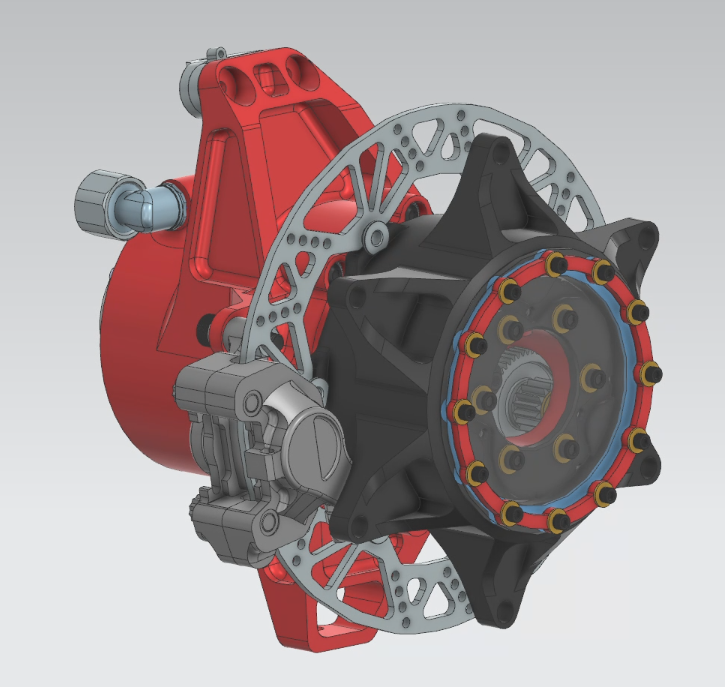
The REs worked their magic, and we got an early cad model ready for FEA analysis.
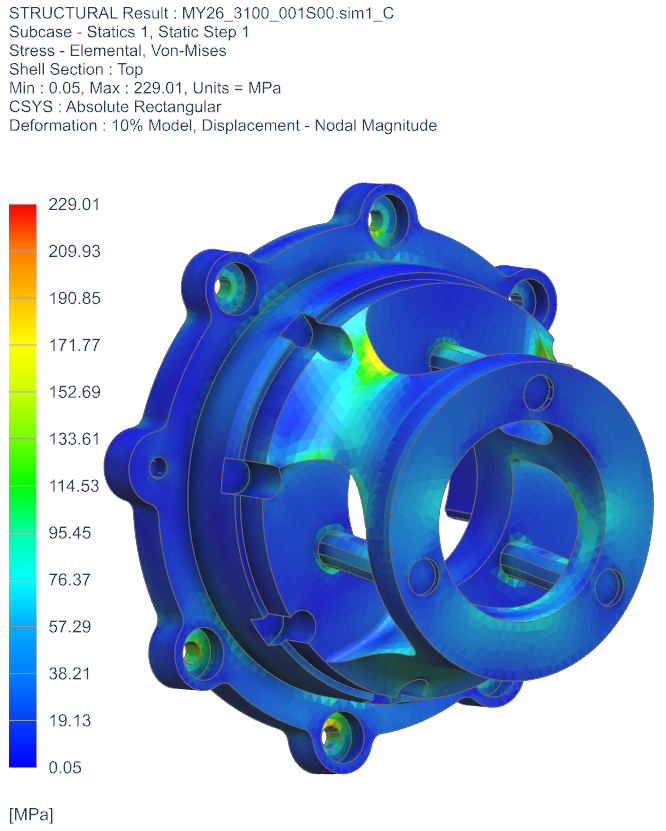
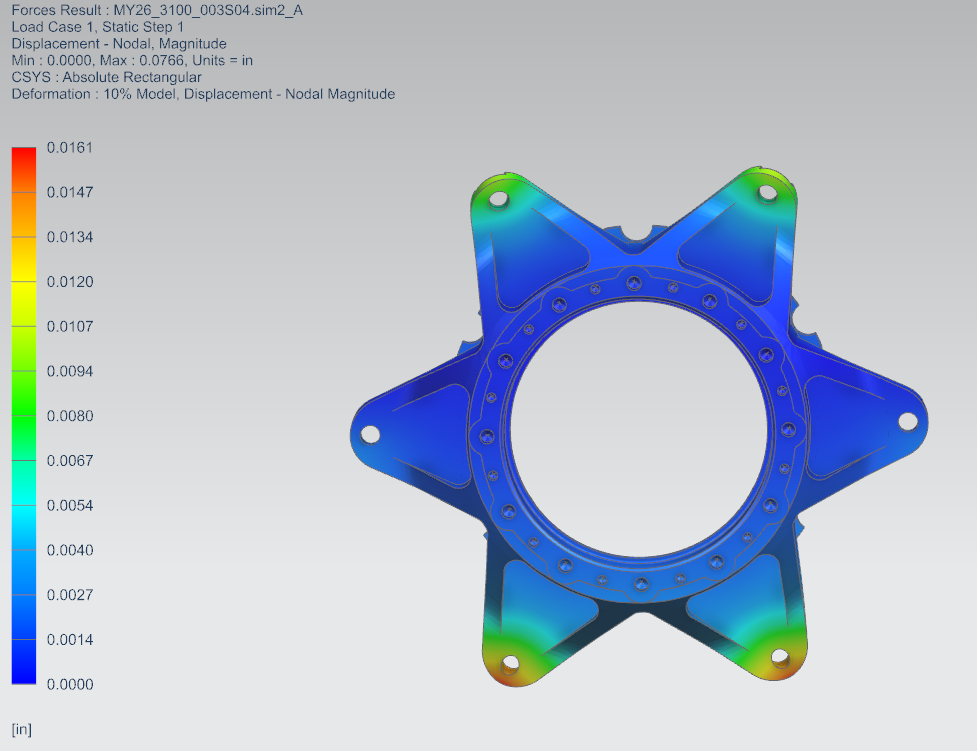
From there, FEA was conducted. We first ran modal analyses for each component to ensure they would not vibrationally couple with the wheel rotation, and then we ran stress analysis on all load cases. Credit to Rafael Tejeda and Michael Vuong for these images. As part of my role on the team, I taught FEA and ensured models were accurate.
With the gearbox especially, we ensured that the deflection of the gearbox under load would not cause loads to be transferred through the gears, and that the deflection would not cause the gear mesh to become too close/far during operation.
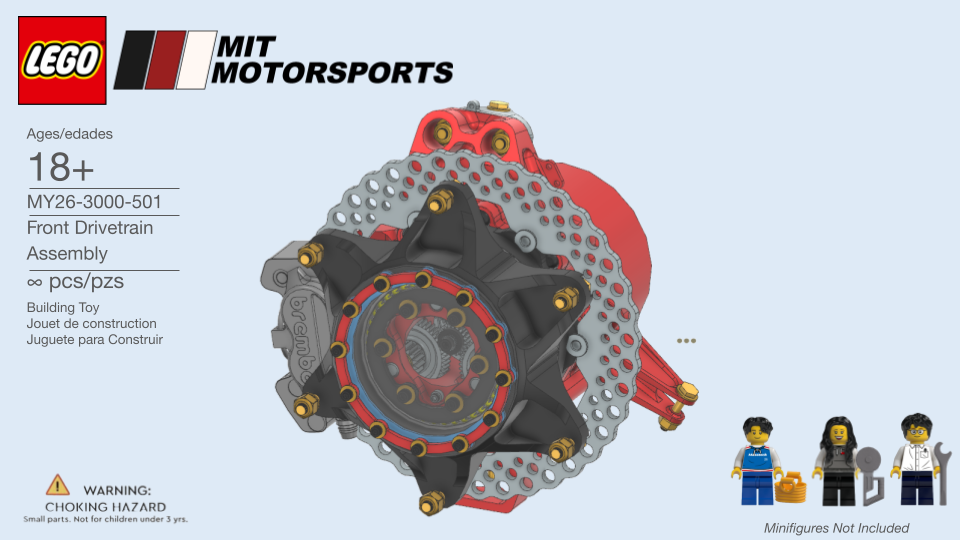
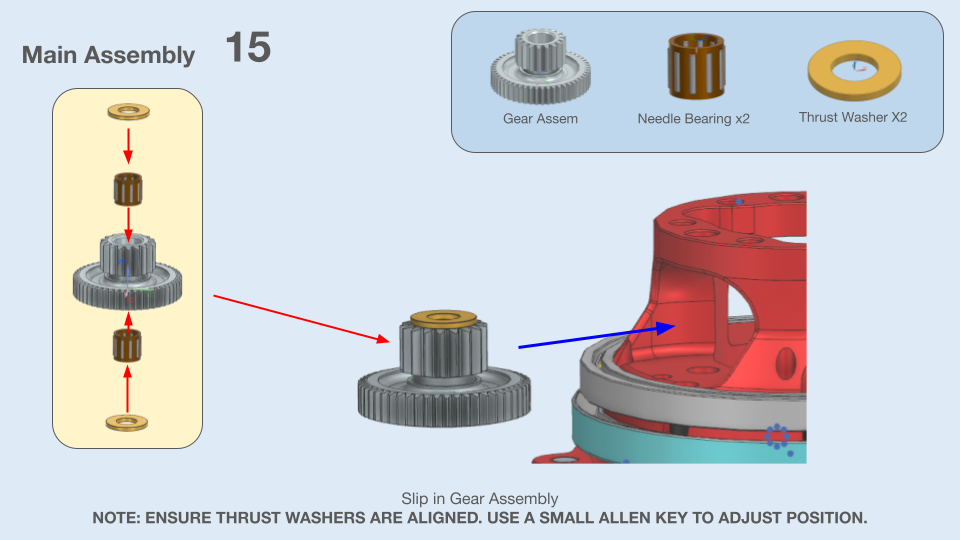
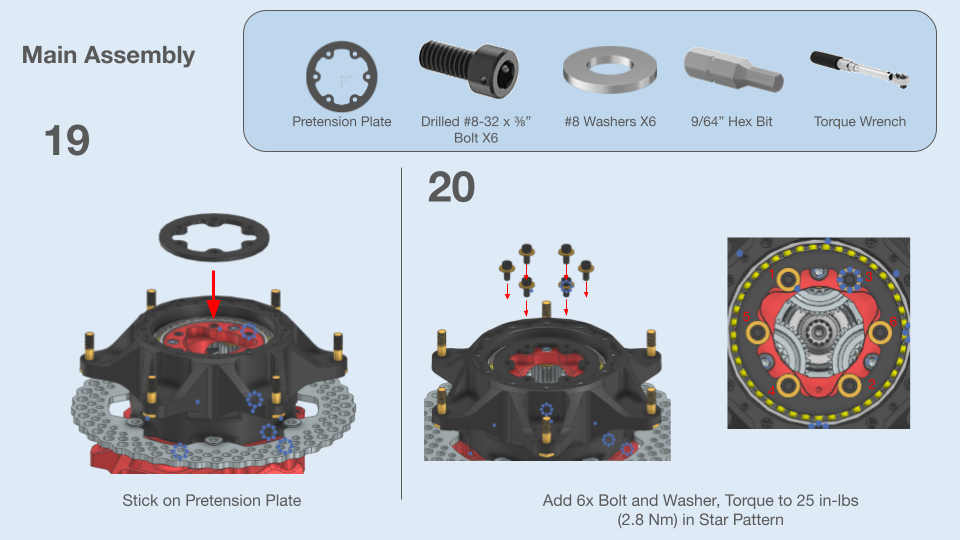
I also created an assembly manual for the drivetrain, as I was unable to help assemble the fronts. That can be accessed here.
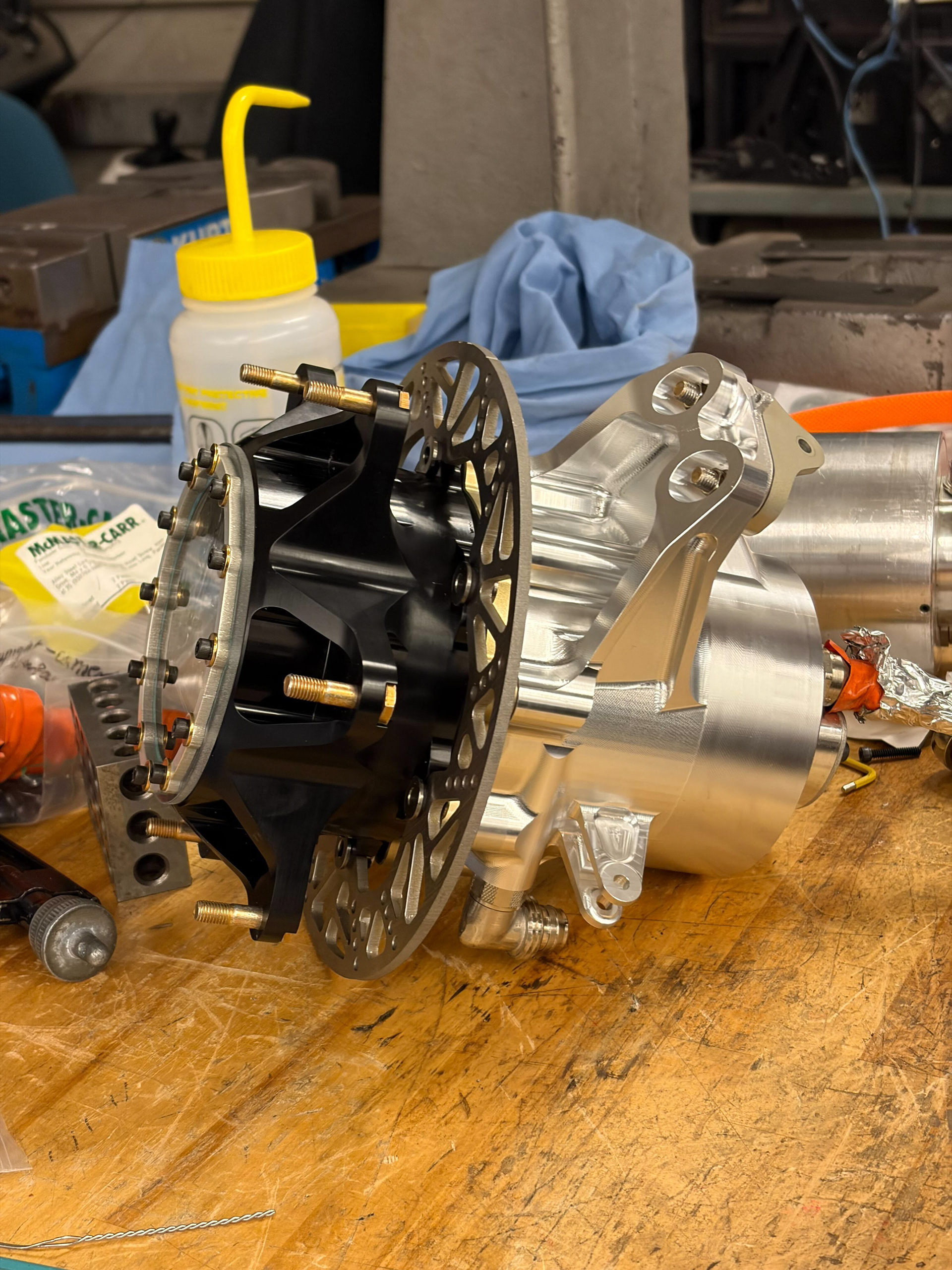
The final Drivetrain! In the end, we managed to hit all of our design requirements, and had the quietest drivetrain at the competition.